How Much Operational Cost Is Wasted Managing Cleaning Supplies? Discover a More Efficient Solution
For hotels, restaurants, office buildings, and industrial facilities, cleaning requirements often involve a wide array of chemical products—ranging from solutions for floors, glass, and kitchens to those for restrooms, tabletops, and other surfaces. The larger the managed area, the more diverse the range of products required.
Without proper management, this multitude of product categories can make the procurement process increasingly complex. Organizations risk purchasing products with overlapping functions, accumulating excessive inventory, and dedicating valuable warehouse space to storing numerous bulky containers.
The challenges extend beyond procurement. In daily operations, cleaning staff must ensure that dilution ratios strictly follow the provided instructions. Relying on guesswork when mixing concentrated chemicals often leads to overuse; conversely, a solution that is too diluted may fail to deliver the desired level of cleanliness.
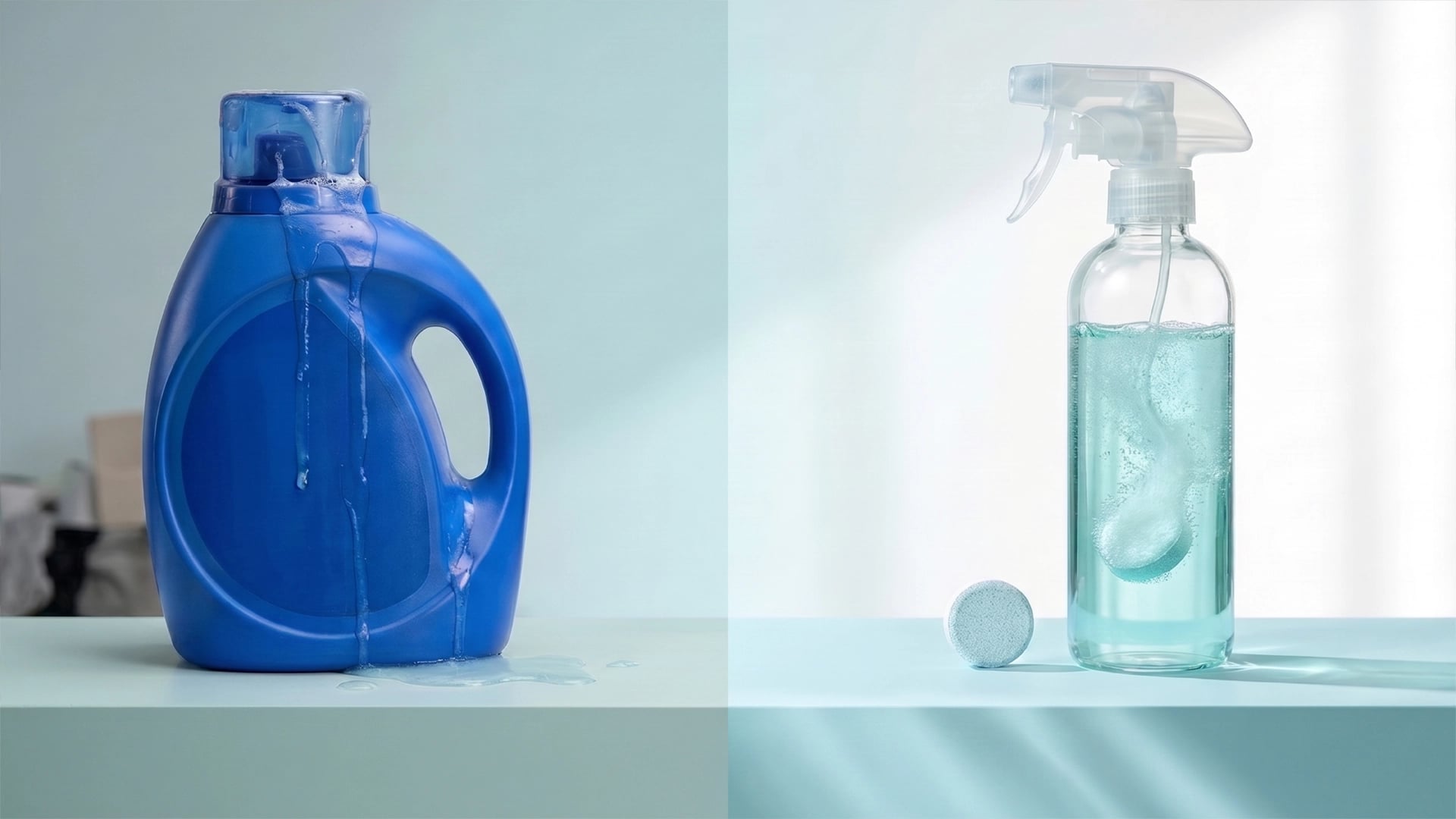
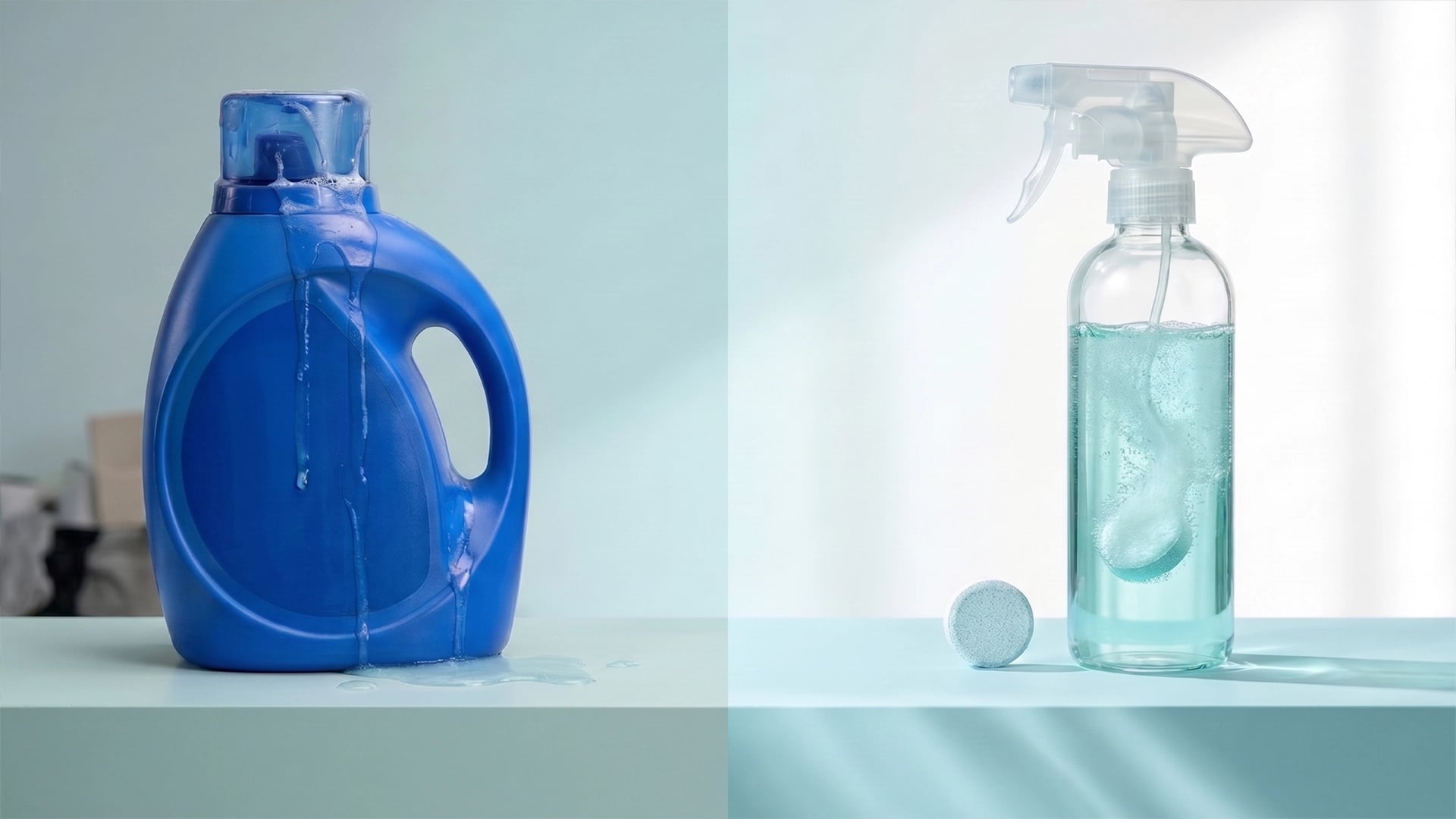
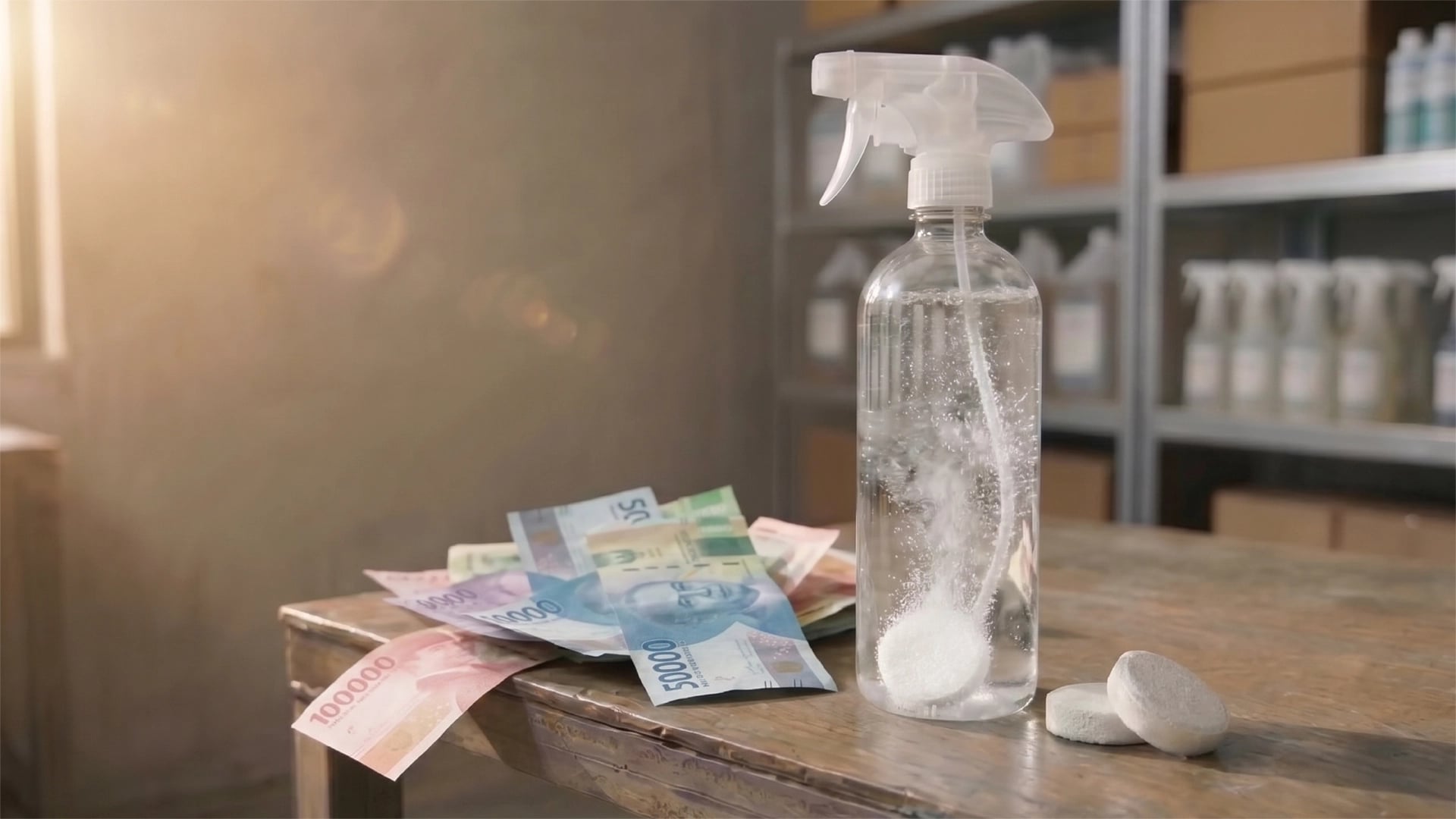
Furthermore, there are the costs associated with storing and distributing liquid products, as well as the waste generated by their packaging. In fact, most liquid cleaning products purchased by businesses consist of 80% to 90% water. This means that a significant portion of procurement budgets and warehouse capacity is effectively being spent on the distribution and storage of water.
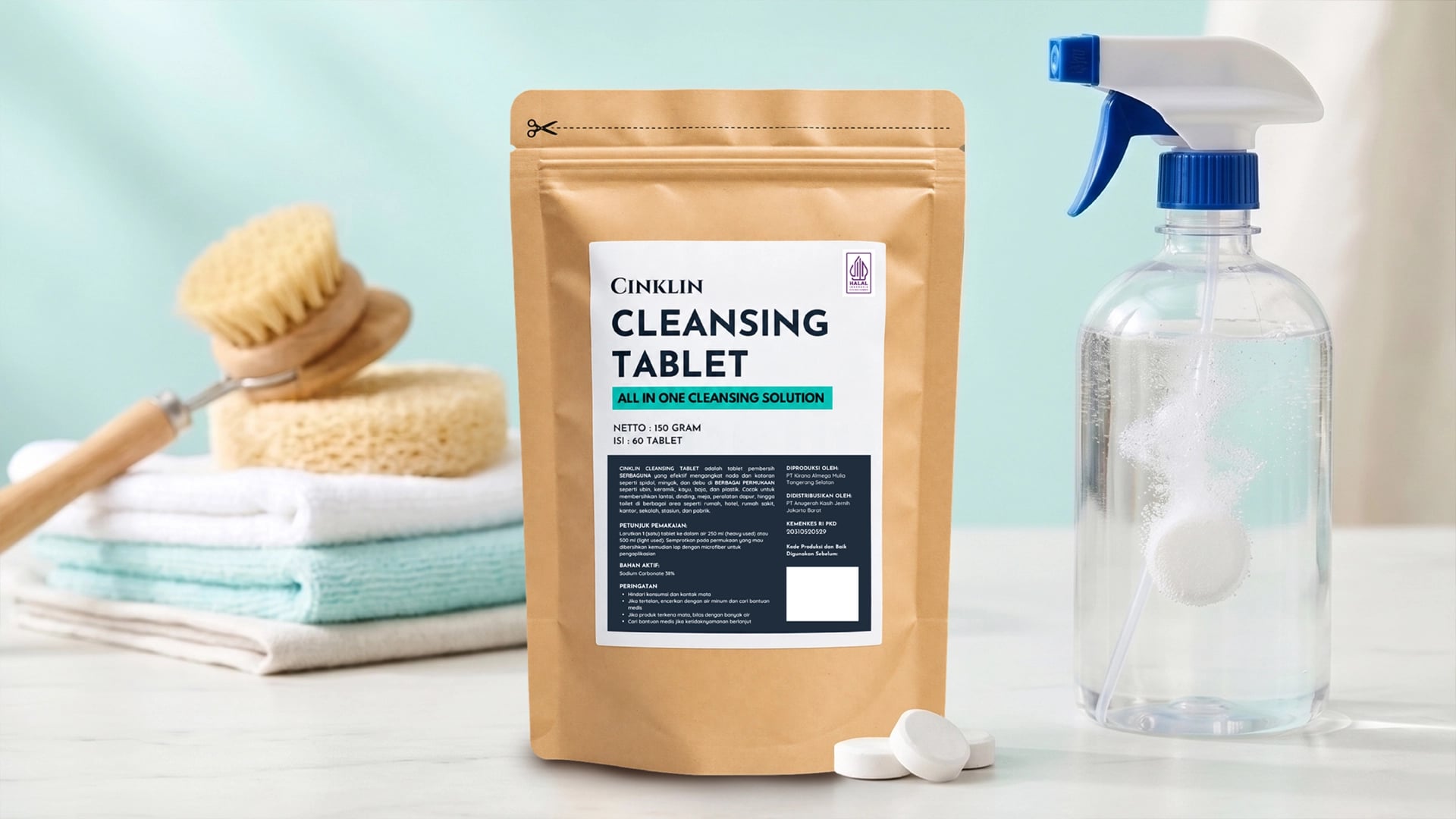
This is why organizations should re-evaluate their cleaning management systems and move away from conventional liquid-based products. One alternative worth considering is the CINKLIN Smart Cleaning System, which addresses three key demands of modern business: operational practicality, measurable cost efficiency, and adherence to ESG (Environmental, Social, and Governance) principles.